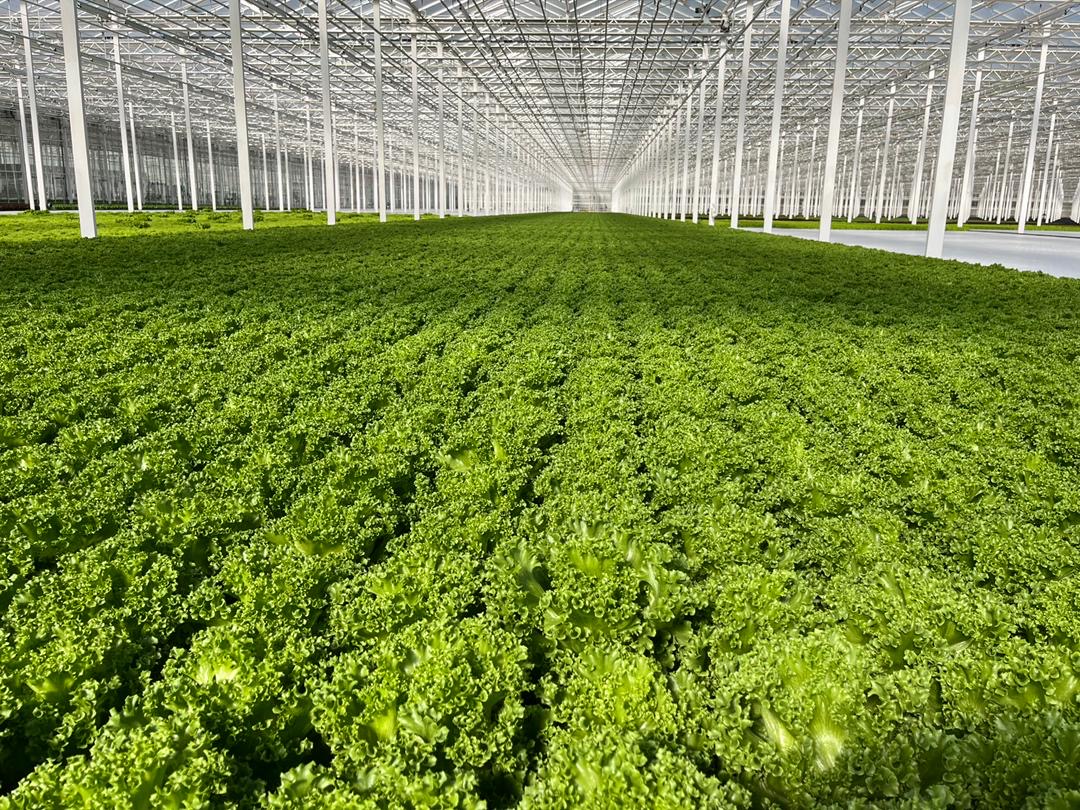
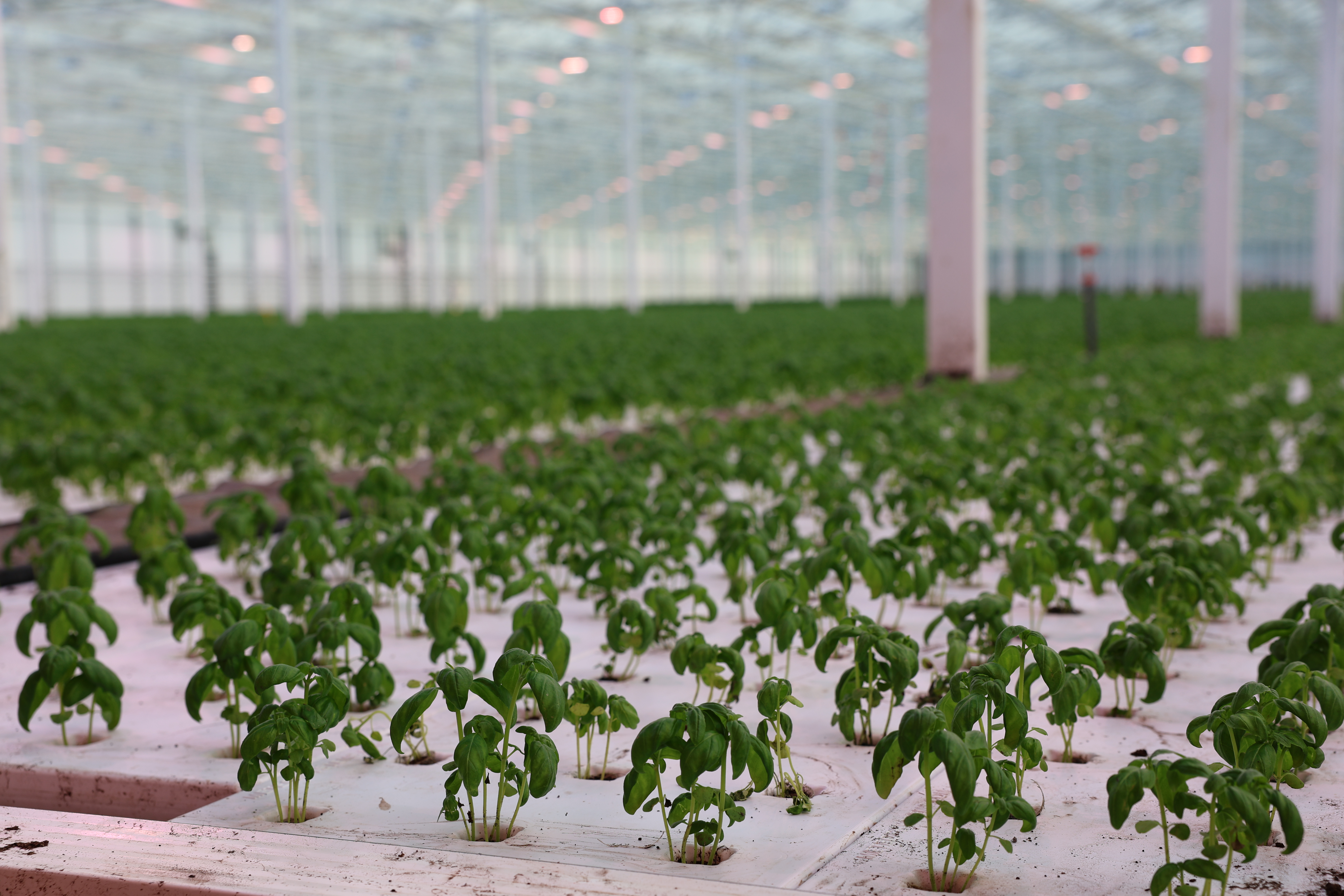
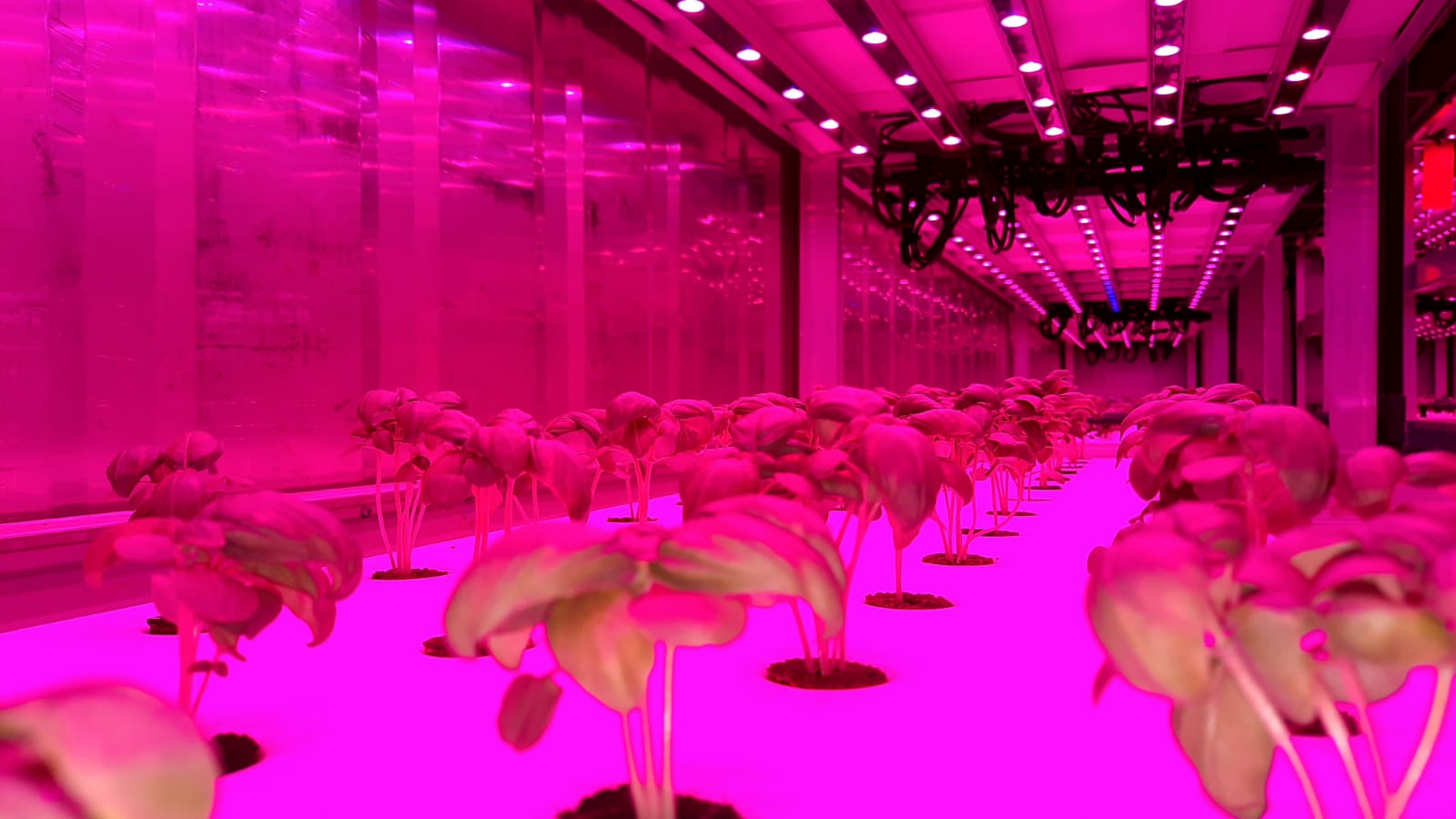
Examples include lettuce, arugula, spinach, pak choi, basil, coriander, parsley, mint, dill and chives. These crops share a shallow, fast-developing root system that performs well in nutrient-rich water without the need for a substrate. Their short cultivation cycles also make them well suited to continuous production planning.

Leafy greens & herbs

Rooted in Dutch horticulture, we design and produce complete growing solutions for leafy greens and herbs. From efficient germination racks for young plants to hydroponic floating rafts for cultivation on water, we create tailor-made systems that support every step from seed to harvest.
Hydroponic growing systems for leafy greens, herbs and plants
Growing on water is becoming an established method for leafy greens and herbs. Meteor Systems designs and builds growing systems tailored to your crop and growing environment, built on Dutch horticultural expertise since 1997. See the water-based growing systems below or contact us for tailored advice.

Multi-layer Germination | Propagation | Growing Rack
For a smooth start from seed to harvest-ready crop, we supply multilayer growing racks for propagation. This vertical growing system keeps space use to a minimum during propagation. The racks can be configured to size and fitted with spray booms and LED lighting on request.
Placing the multilayer growing racks in the greenhouse or in a growth chamber next to the greenhouse keeps logistics to a minimum, and lets the plants germinate and develop under controlled climate conditions.
See growing results with our racks in the video alongside ->

Hydroponic floating rafts
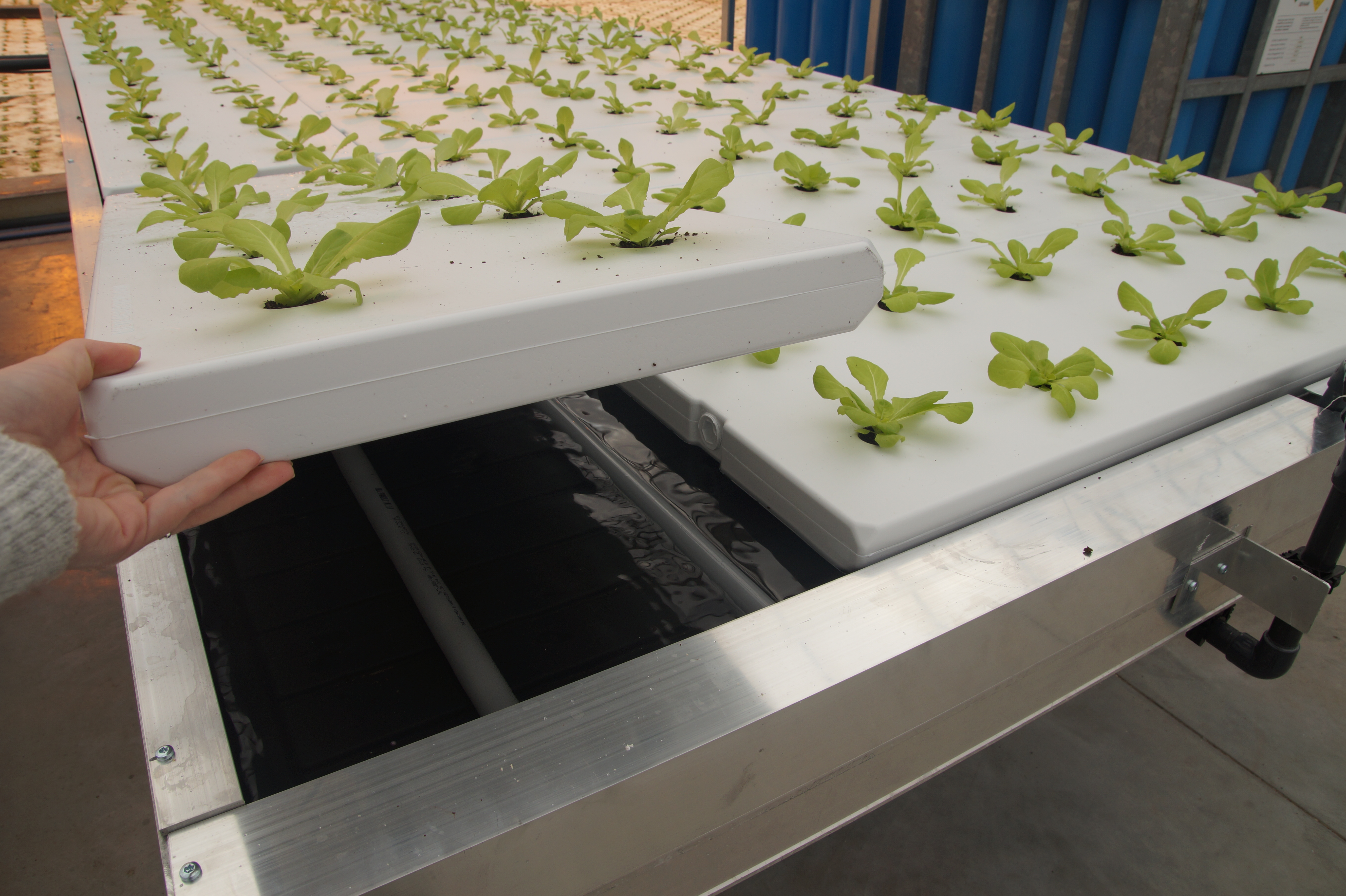
Our floating rafts are made from food-safe high-density polyethylene (HDPE) and last 10 years or longer. That makes them a stable base for profitable water-based growing. We supply two versions:
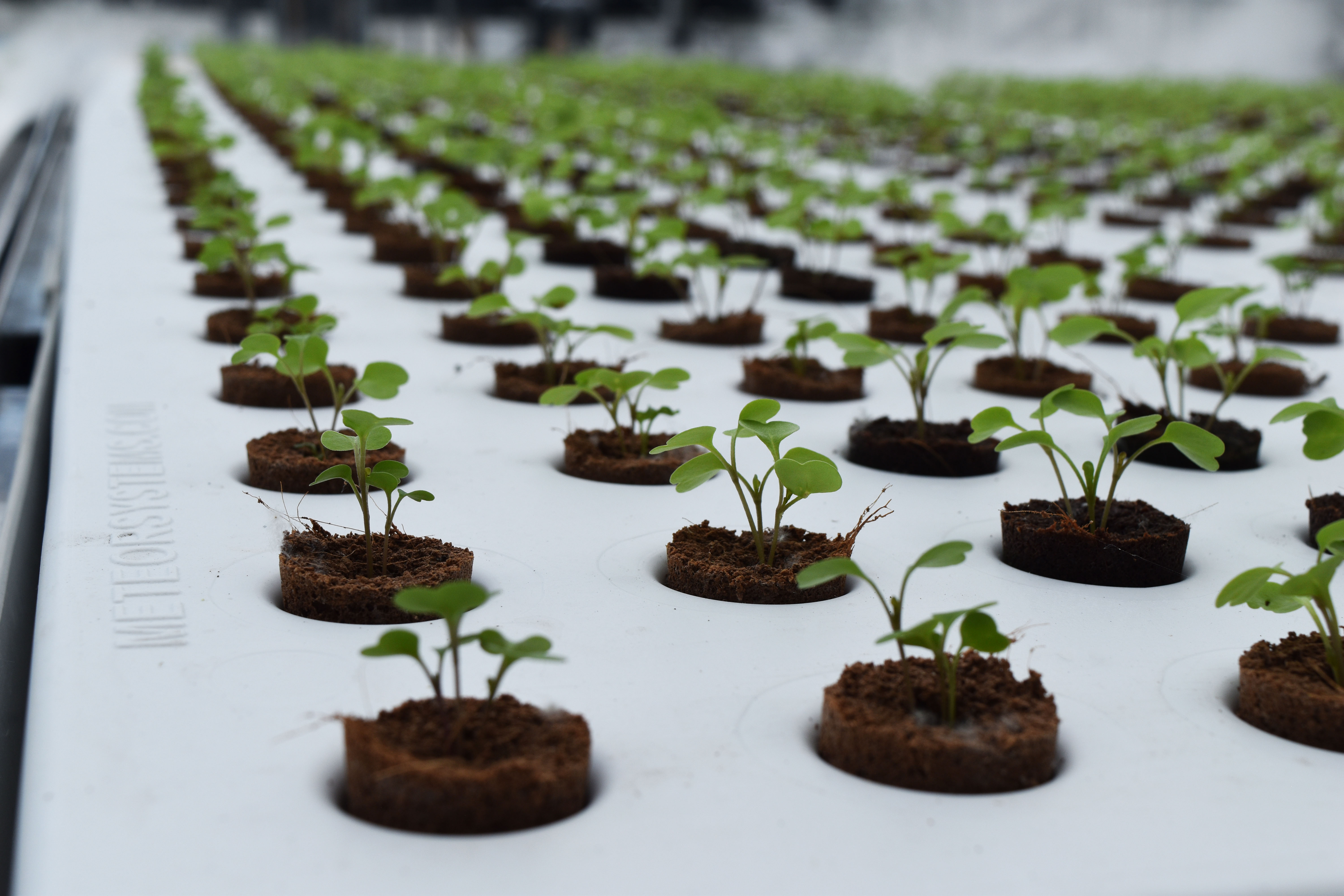
- Rafts with X-hole plant holes, from 24 to 280 holes per m2
- Rafts with 7 slots for direct seeding of leafy greens and herbs

Hydroponic inlay for ebb-and-flow flood tables
For flood tables with an ebb-and-flow design, we supply an inlay matched to our floating rafts. Compared to continuous irrigation, the pattern in the inlay distributes water directly to the plant roots, without saturating the substrate. Because evaporation is minimal, water use stays low: the water reaches the roots instead of being lost to the air.
Contact our team for more information on growing results with this system.
Your partner in growing solutions for CEA
Growers, suppliers, and greenhouse builders worldwide trust Meteor Systems for complete or partial growing solutions for Controlled Environment Agriculture, Deep Water Culture, Nutrient Film Technique, indoor farming and vertical farming. Together, we design the perfect system, produced in our own Breda facility and delivered and installed with just-in-time precision.

Innovation & expertise
For every greenhouse project, our experienced specialists deliver tailor-made solutions perfectly aligned with customer needs. With our modern in-house factory in the Netherlands, the possibilities are endless. Delivery and installation takes place all over the world, supported by our offices in Canada, Mexico and China.
And, we don't stop there. You can rely on your contact person to help optimize your growing systems, ensuring maximum return from your crops.
Frequently asked questions about water culture
In DWC, the roots are continuously suspended in oxygen-rich nutrient water. In container systems, plants often grow in a substrate or container, where water and nutrients are supplied either periodically or continuously. The main practical difference is in root environment and irrigation management: DWC requires careful monitoring of oxygen levels and nutrient concentration, while container systems give the grower more control over water delivery timing and volume.
Leafy greens are usually grown at around 1.2–1.8 mS/cm. Herbs such as basil can often tolerate slightly higher levels, around 1.6–2.2 mS/cm. These ranges serve as a practical starting point; the right value depends on the growth stage, water temperature, and the specific variety being grown. Monitoring EC alongside pH gives the most reliable picture of nutrient uptake.
A pH of 5.5–6.5 is generally suitable. A stable pH helps keep nutrients available for plant uptake. In practice, most growers aim for the middle of that range, around 5.8–6.2, since nutrient availability drops off at the extremes. Regular monitoring is essential, as pH in recirculating systems can shift quickly depending on crop load and water temperature.
Very important. In DWC, the roots need enough oxygen to prevent root rot. Use aeration or ensure sufficient water circulation. Water temperature plays a direct role here: warmer water holds less oxygen, which makes cooling or shading the reservoir more important in summer conditions.
This depends on the system size and plant load, but the water is often partially or fully replaced every 1 to 2 weeks.
A water temperature of around 18–22 °C is suitable. Water that is too warm contains less oxygen and increases the risk of root problems. Below 16 °C, nutrient uptake slows down noticeably; above 24 °C, the risk of Pythium and other root pathogens increases significantly.
Ensure clean water, sufficient oxygen, the correct temperature, no light entering the water, and remove diseased plants quickly. Root rot is most often a combination of factors rather than a single cause: a brief period of low oxygen combined with elevated water temperature is usually enough to trigger an outbreak.
Leafy greens usually need less light than fruiting crops. Herbs such as basil often require more light than lettuce or pak choi.
Yes, but pay attention to differences in growth rate, nutrient requirements, light requirements and harvest timing. Lettuce and basil, for example, do not always have the same ideal settings. In practice, most commercial growers choose to dedicate a system to a single crop or a small group of crops with closely matching requirements. Mixing crops with significantly different EC or pH preferences in one recirculating system makes it difficult to maintain optimal conditions for either.
Prevent light from reaching the nutrient solution, cover openings properly and keep the system clean. Algae thrive wherever light and nutrients meet, so even small gaps in covers or translucent materials are enough to trigger growth. Beyond aesthetics, algae compete with the crop for oxygen and nutrients and can clog irrigation lines, making prevention a practical priority rather than just a hygiene concern.
Common options include rockwool plugs, coco coir plugs, perlite, clay pebbles or foam plugs, depending on the system. The choice of substrate affects drainage, air-to-water ratio in the root zone, and how easily it can be cleaned or replaced between cycles.
Many leafy greens can be harvested after 3–6 weeks. Herbs vary more depending on the species and desired plant size.
Let’s start your project
Discover how our solutions can boost efficiency, yield, and sustainability in your cultivation.